Improve Output: Excellence in Data Center Resource Management Services for Outstanding Performance
Maximizing productivity in data centers is critical for organizations aiming to enhance performance. Top Data Center Infrastructure Management (DCIM) services deliver critical resources for live surveillance and analytics. Solutions from ServiceNow, Sunbird, Schneider Electric, and Nlyte stand out in this market. These services not only monitor equipment but also improve resource distribution. Understanding how to choose the right DCIM solution can lead to significant improvements. What factors should organizations consider to make an informed choice?
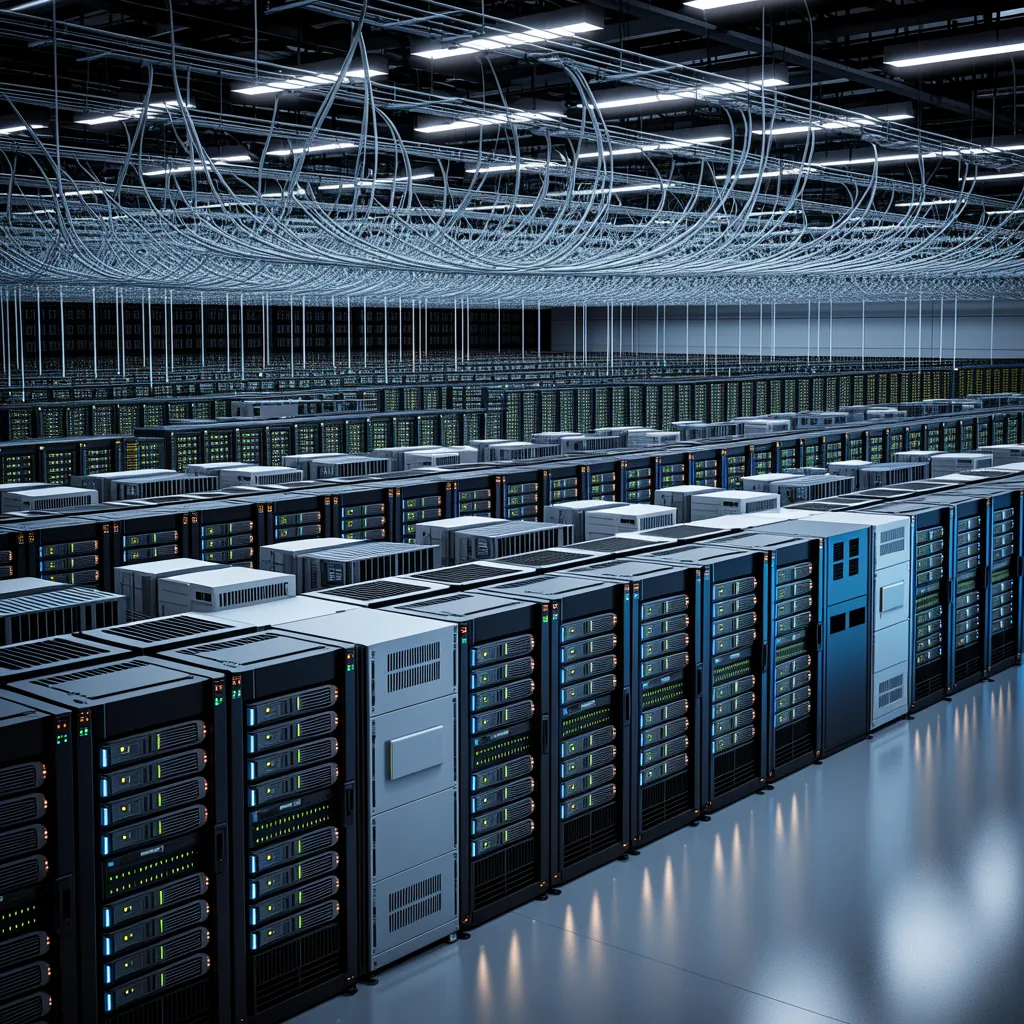
Best DCIM Services for 2023
As institutions increasingly rely on data centers to back their operations, identifying the best Data Center Infrastructure Management (DCIM) tools for 2023 becomes vital. Leading DCIM services offer thorough packages designed to enhance resource management, elevate operational efficiency, and confirm robust monitoring capabilities. Notable contenders in the market include ServiceNow, known for its integration capabilities, and Sunbird, which demonstrates excellence in real-time visualization and reporting. Additionally, Schneider Electric supplies a powerful platform for energy management and asset tracking.
Another key competitor, Nlyte, specializes in enhancing data center efficiency through sophisticated analytics. These services not only facilitate improved decision-making but also help in forecasting future needs. As data demands continue to grow, selecting a DCIM service that provides scalability and versatility is critical. Ultimately, companies must assess their particular needs to choose the most appropriate DCIM service, guaranteeing optimal efficiency and dependability in their data administration strategies.
Learning about server facility Infrastructure Management (DCIM)
Data Center Infrastructure Management (DCIM) includes a suite of tools and practices intended to monitor, manage, and optimize data center assets. By integrating IT and facility management, DCIM delivers thorough visibility into the efficiency and usage of critical assets. This approach facilitates immediate information gathering, allowing operators to make informed decisions regarding power usage, temperature management effectiveness, and space utilization.
DCIM platforms frequently encompass capabilities such as asset tracking, demand forecasting, and environmental monitoring, which work together to enhance operational efficiency. They provide data center managers the ability to recognize inefficiencies, refine operations, and cut spending. Moreover, DCIM supports forward planning for future expansions and helps organizations satisfy regulatory standards. Through adopting effective DCIM practices, data centers can gain increased stability, better environmental practices, and greater overall performance, in turn boosting better customer service in a dynamic digital landscape.
Critical Functions for Deciding on Efficient DCIM Solutions
Determining efficient Data Center Infrastructure Management (DCIM) services demands thorough evaluation of critical additional article capabilities that boost operational efficiency and resource management. Crucial attributes feature immediate observation tools, providing immediate insight into power usage and operational parameters. Integration with current infrastructure is also essential, as frictionless communication encourages a unified approach to information governance.
Scalability acts as another significant feature, enabling organizations to adjust as their infrastructure transforms and expands. Advanced analytics can deliver forecasting intelligence, supporting strategic planning and minimizing downtime. Intuitive dashboards enhance accessibility for various stakeholders, while strong protective protocols safeguard sensitive data.
At last, configuration options warrant that DCIM services can be tailored to meet specific organizational needs. By focusing on these essential features, firms can select DCIM services that not only streamline operations but also enable long-term sustainability and competitive advantage.
Finding the Perfect DCIM Tool Suited to Your Organization?
In what way can an business establish the best DCIM option suited to its particular needs? The selection process starts off with a exhaustive examination of active setup and procedural requirements. Organizations should identify targeted goals, such as improving uptime, promoting resource consumption, or optimizing capacity planning. Additionally, evaluating scalability is essential; a solution must adapt to ensuing growth and technological advancements.
Next, companies must evaluate integration capabilities. The ideal DCIM solution should seamlessly work with current systems and applications. Ease of use also plays a significant role; user-friendly designs facilitate user adoption and operational efficiency.
Moreover, groups should study supplier backing and community engagement, as ongoing assistance and capabilities can be pivotal. In summary, running a value assessment establishes that the chosen solution complies with budget constraints while furnishing the expected outcomes. By following these elements, institutions can assuredly pick a DCIM solution that accommodates their specific demands and optimizes aggregate performance.
Implementing DCIM Utilities to Strengthen Energy Efficiency
By implementing DCIM tools, you can greatly enhance energy efficiency within data centers. Through providing comprehensive analysis into energy usage and heat management, these tools enable operators to spot inefficiencies and optimize resource distribution. With current data on power consumption, data center managers can make informed decisions about equipment placement and cooling strategies, making certain that energy is not wasted.
DCIM solutions also promote automation in monitoring and managing power loads, allowing for dynamic adjustments based on current demand. This responsiveness can lead to significant reductions in energy costs. In addition, advanced analytics within DCIM tools can pinpoint areas for further improvement, promoting preventive actions rather than reactive fixes.
Integrating these tools into daily operations establishes a atmosphere of continuous improvement, ultimately reaching a more sustainable data center ecosystem. The upshot is not only optimized operations but also a reduced carbon footprint, syncing with overarching sustainability aims.
Real-Time Analysis : The Pillar of DCIM Performance
Real-time monitoring acts as a critical component in the success of Data Center Infrastructure Management (DCIM). By delivering improved performance data, it enables proactive issue detection and optimization of resource allocation. This capability ultimately leads to improved operational performance and reliability within data centers.
Improved Performance Metrics
Evaluating data center performance represents a necessity for maximizing efficiency and guaranteeing stability. Superior performance measures furnish key intelligence regarding multiple infrastructure aspects, encompassing electrical energy efficiency, temperature control effectiveness, and resource management. Through harnessing dynamic analytics, institutions can determine their system resilience and responsiveness, allowing intelligent decisions. Key performance indicators including system accessibility, network latency, and processing throughput prove valuable in recognizing shifts and determining expansion capacity. Concurrently, such measures build team responsibility, shaping future direction and investment allocation. Methodical evaluation of operational intelligence proves beneficial for comparison against recognized standards and advances a framework promoting ongoing development. Fundamentally, superior operational measures act as a vital pillar for robust data center operations, generating operational excellence and market competitiveness.
Proactive Concern Recognition
Proactive issue detection is essential in preserving the stability of data center operations. By leveraging live tracking systems, data centers can detect potential problems prior to escalation into critical failures. This approach enables teams to act quickly to irregularities in heat levels, power consumption, and equipment performance. Ongoing monitoring ensures that any deviations from established norms are marked right away, permitting for prompt action. As a consequence, the overall reliability of the infrastructure is enhanced, reducing downtime and preserving service excellence. Moreover, proactive detection contributes to strategic planning regarding service plans and budget distribution, eventually optimizing operational efficiency. Investing in robust monitoring solutions is indispensable for sustaining peak performance in modern complex data environments.
Resource Usage Optimization
Proficient supervision of a data center's resources depends on the ability to regularly track and assess operational metrics. Real-time surveillance provides the foundation for maximizing resource utilization, permitting data center managers to recognize inefficiencies and allocate assets effectively. By deploying advanced DCIM tools, organizations can gather essential information on power consumption, cooling efficiency, and workload distribution. This data facilitates for more informed decision-making, ensuring that resources are leveraged to their fullest potential. Additionally, real-time analytics facilitate immediate responses to changing demands, minimizing waste and enhancing overall performance. Ultimately, effective resource utilization optimization not only improves operational efficiency but also advances sustainability goals, making it a crucial component of modern data center management strategies.
Future Trends in Data Center Operations Management
As computational hubs progress to respond to surging demands for optimization and capability, emerging trends in Data Center Infrastructure Management (DCIM) are reimagining the terrain. One standout trend is the fusion of machine learning systems (AI) and neural networks, which refines forward-looking analysis for space planning and power optimization. These platforms permit instantaneous observation and automated responses to potential issues, greatly minimizing interruptions.
In addition, the adoption of edge computing is spurring a shift in DCIM strategies, as firms pursue to process data proximate to its source for refined speed and efficiency. This requires innovative governance solutions to ensure performance across geographically-spread environments.
Sustainability continues to be at the vanguard, emphasizing reducing carbon footprints and better resource consumption. In conclusion, the increase of hybrid cloud solutions requires more advanced DCIM systems that can seamlessly manage both on-premises and cloud resources, providing peak operational efficiency.
Regularly Asked Questions
How Can I connect DCIM With Existing Data Center Systems?
To unite DCIM with existing data center systems, one should evaluate current infrastructure, guarantee compatibility, implement APIs for data exchange, and complete thorough testing to confirm seamless operation and improved management capabilities across platforms.
What Represents the Mean Investment of Setting Up DCIM Solutions?
DCIM solution implementation commonly ranges from $20,000 to $150,000 in cost, shifting according to the data center magnitude, infrastructure complexity, and the targeted capabilities required to achieve ideal management.
What specific compliance standards relate to DCIM Services?
Yes, there are specific compliance standards for DCIM services, such as ISO 27001 for information security, PCI DSS for payment card industry standards, and various environmental regulations that guide energy efficiency and sustainability practices within data centers.
How often Should I Update My DCIM Software?
DCIM software modifications should be performed at least once yearly, though quarterly updates are recommended to guarantee top-tier functionality, security improvements, and conformity with developing standards. Periodic reviews help identify when updates are required for unique organizational needs.
Can DCIM Solutions Enable Business Continuity Planning?
DCIM tools provide considerable help in emergency preparedness strategy through continuous oversight, asset management, and scenario simulations. This makes certain that computing facilities are adequately prepared for potential disruptions, improving overall resilience and recovery strategies.